【鳥籠・愛しのDoll】シリーズのボカロキャラ分析まとめ[ENG SUB]
VOCALOID Character Analysis Roundup: The “Caged Doll” & “Beloved Doll” Series on YouTube
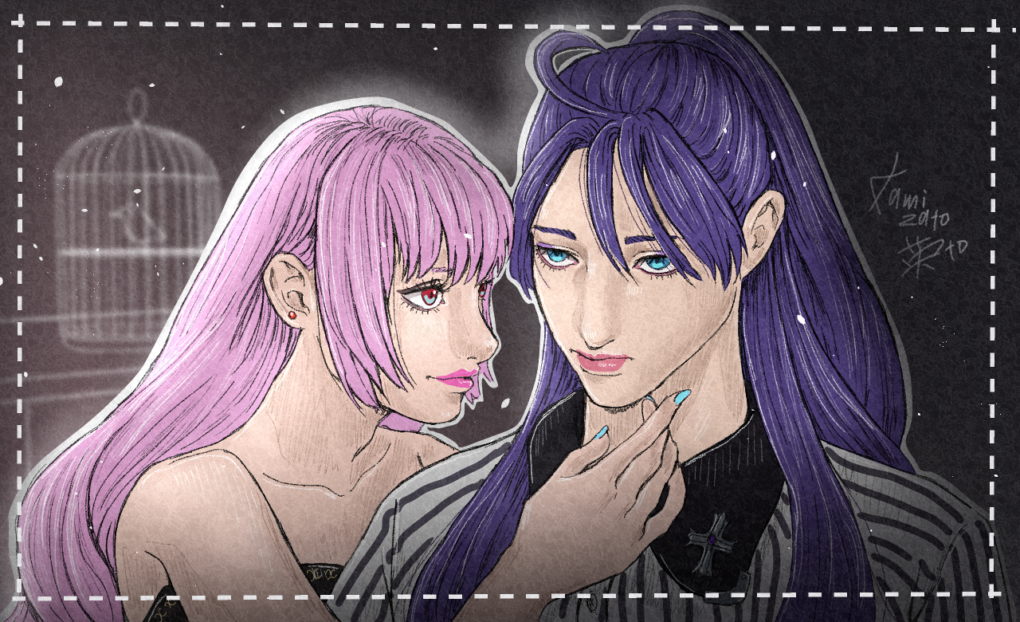
今回は、現在YouTubeの方で投稿している【鳥籠のDoll】と【愛しのDoll】シリーズに登場する、ボカロ4人のキャラ分析を紹介していきます。
文章にするとどうしても長くなってしまったり、それを動画にすると速度がはやくなって読みにくくなってしまったりしていたので、ブログにまとめることにしました。
ちなみにプロフィールのほうは、YouTubeの投稿にスクショをまとめてあるので、動画が見にくかった方は、そちらの方を確認していただけたらと思います。
This time, I’ll be sharing character analyses of the four VOCALOID characters featured in my Caged Doll and Beloved Doll series, which I’m currently uploading to YouTube.
When I put these analyses into writing, they inevitably become quite long. And when I turn them into videos, the text sometimes goes by too quickly, making it difficult to read. That’s why I’ve decided to compile everything into a blog post.
By the way, I’ve also shared screenshots of the character profiles in a YouTube post. If you had trouble reading them in the videos, feel free to check out that post instead!


1.「キャラ分析」思考と関係性の振り返り/”Character Analysis” Reflection on Thoughts and Relationships
こちらも動画にしてあるので、そこに書いた文章をざっくりまとめます。
I’ve also made a video about this, so I’ll roughly summarize the text I wrote there.
神威がくぽの特徴/Kamui Gackpo’s Traits
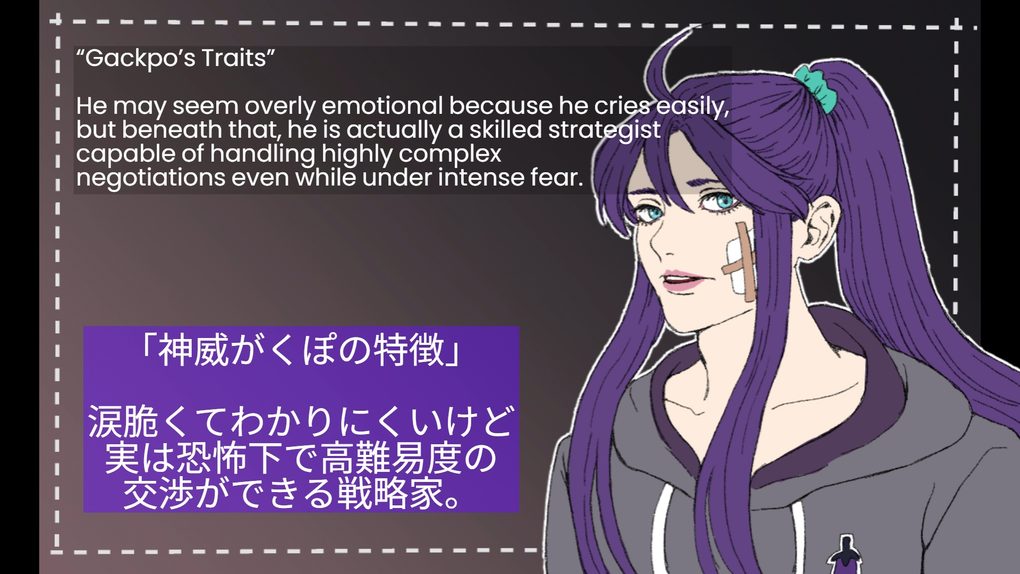
彼はルカに自分の恐怖を語っていたとき、同時にフラッシュバックも起こしているので泣いていました。
それでも自分の身に起きたことを、相手にも伝わる形にして会話し続けています。
更に彼は、自分を怖がらせたルカの話を否定せずにすべて聞き入れ、反論する余地を打ち消しました。
本人は無自覚でしょうがかなりの戦略家です。
しかし欠点として、彼の疲労や精神的消耗は、周囲に非常に伝わりにくい。
普通に動けてしまうため、疲弊していると気付かれにくい。
そして自分でも動けているから大丈夫だと判断してしまう。
そして気付いた時には身体に不調が現れたり、処理能力が落ちて目の前の楽しみにしか意識が向かなくなります。
挙動が幼くなったときにはもう限界を超えているサインです。
茄子に目を奪われて楽しみを続行したくなっても彼は休むことを覚える必要があります。
When he was telling Luka about his fears, he was also experiencing flashbacks, which caused him to cry.
Even so, he continued the conversation, carefully putting his experiences into words that Luka could understand.
Furthermore, he listened to everything Luka had to say without dismissing her perspective, effectively leaving her with no room to argue against him.
He is probably unaware of it himself, but he is quite a strategist.
However, one of his weaknesses is that his fatigue and emotional exhaustion are extremely difficult for others to notice.
Because he can still function and go about his activities as usual, people rarely realize just how exhausted he is.
And because he is still able to function, he assumes that he must be fine.
By the time the problem becomes apparent, he may already be experiencing physical symptoms, or his ability to process information may have declined to the point where he can focus only on whatever is enjoyable right in front of him.
When his behavior becomes more childlike, it is a sign that he has already pushed himself beyond his limits.
Even when eggplants catch his attention and make him want to keep enjoying himself, he needs to learn to stop and rest.
巡音ルカの特徴/ Megurine Luka’s Traits
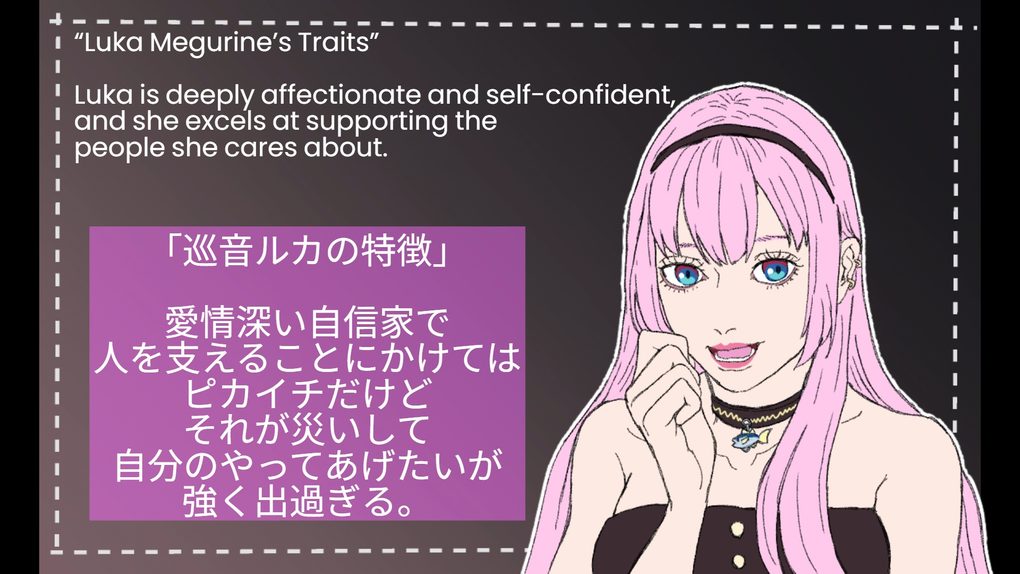
彼女のがくぽへの愛情は本物であり、トラウマを抱える彼のことも愛し続けると決意しました。
しかし彼女はがくぽへの愛情が強すぎて、新たにトラウマを与えてしまいました。
私は彼を愛しているから彼も私を愛している♡
だから彼の愛している私が着飾ってあげたら彼も絶対に喜んでくるわ♡
それにがくぽは男だから、彼女の私に迫られても嫌がるわけないわよね♡
そう考えて、自分のやりたいことを次々と、相手の意思を確認せずに行動に移してしまったのが彼女の過ちでした。
相手が無防備な状態での接触や意思を確認されず、勝手に身体を使われる恐怖に、性別は関係ありません。
そのため彼女は、相手の意思を確認してから行動することを覚えていく必要があります。
Her love for Gackpo is genuine, and she has made up her mind to continue loving him despite the trauma he carries.
However, her feelings for Gackpo were so intense that she ended up causing him further trauma.
“I love him, so of course he loves me too! ♡”
“And since he loves me, I’m sure he’d be delighted if I dressed him up! ♡”
“Besides, Gackpo is a man, so there’s no way he’d dislike it if his girlfriend made advances toward him! ♡”
With these assumptions in mind, she repeatedly acted on her own desires without first checking what Gackpo wanted. That was her mistake.
The fear of being touched while vulnerable, or having someone else take control of your body without your consent, has nothing to do with gender.
That is why she needs to learn to ask for the other person’s consent before acting.
KAITOの特徴/KAITO’s Traits
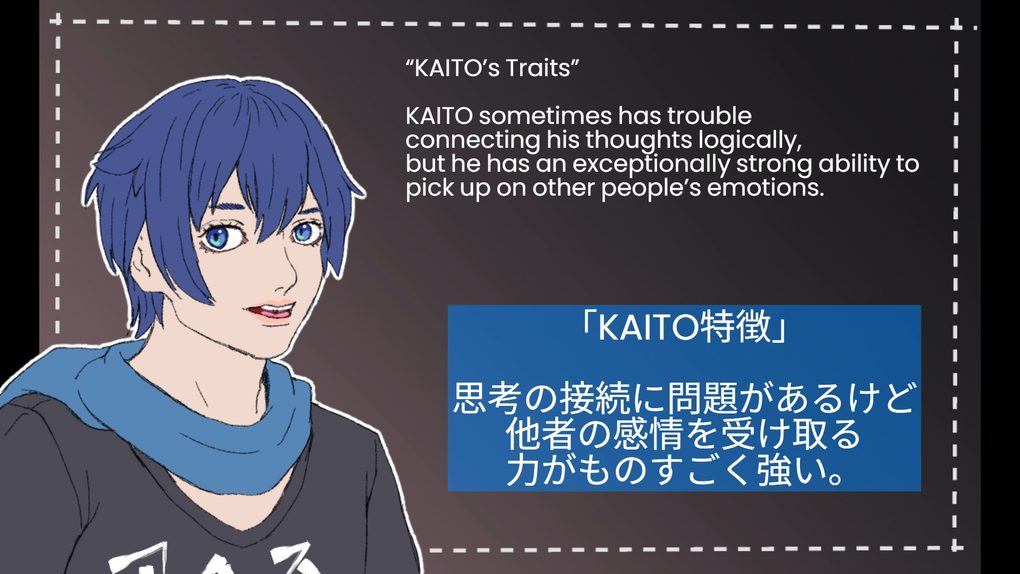
彼は一般論をよく検討せずに受け取り、相手の状況を考えずに発言してしまうことがあります。
さらに自分の思いを言葉にするのが苦手で上手く組み立てられないため、それが失礼な言葉だと受け取られてしまうことが多い。
しかし彼は相手の感情を受け取ることができるため、想定外の前提がきても、誤った固定観念をすぐに手放すことができます。
ただし彼には、この長所ゆえに疲弊しやすい部分がありました。
現場では対応することができても、後になって友人のがくぽが泣いていたときのことを思い出してパニックを起こす。
自分に向けられた指摘であれば、修正することができるので平然としていられる彼ですが、友人が怯えている状況を思い出すなど、どうにもできない状態では不安定になりやすいです。
それでも友人が落ち着いてるのが確認できればすぐに安心できるみたいですが、がくぽがフラッシュバックを起こしたのを目撃した後に、自分の感情と相手の感情を分けて考える練習をする必要があります。
He sometimes accepts commonly held beliefs without examining them carefully and ends up saying things without considering the other person’s circumstances.
Furthermore, he struggles to put his feelings into words and organize his thoughts clearly, so his remarks are often taken as rude or insensitive.
However, because he is highly receptive to other people’s emotions, he can quickly let go of mistaken assumptions and stereotypes when he encounters situations that challenge his expectations.
That said, this very strength also makes him vulnerable to emotional exhaustion.
Even if he manages to handle a situation in the moment, he may later panic when he remembers seeing his friend Gackpo crying.
When someone points out a problem with his own behavior, he can simply correct it, so he is usually able to remain calm.
However, when he recalls a situation in which his friend was frightened, or faces something he cannot do anything about, he is much more likely to become emotionally overwhelmed.
Even so, he seems to feel reassured as soon as he can confirm that his friend has calmed down.
After witnessing Gackpo experience a flashback, however, he needs to practice distinguishing his own emotions from those of the people around him.
MEIKOの特徴/MEIKO’s Traits
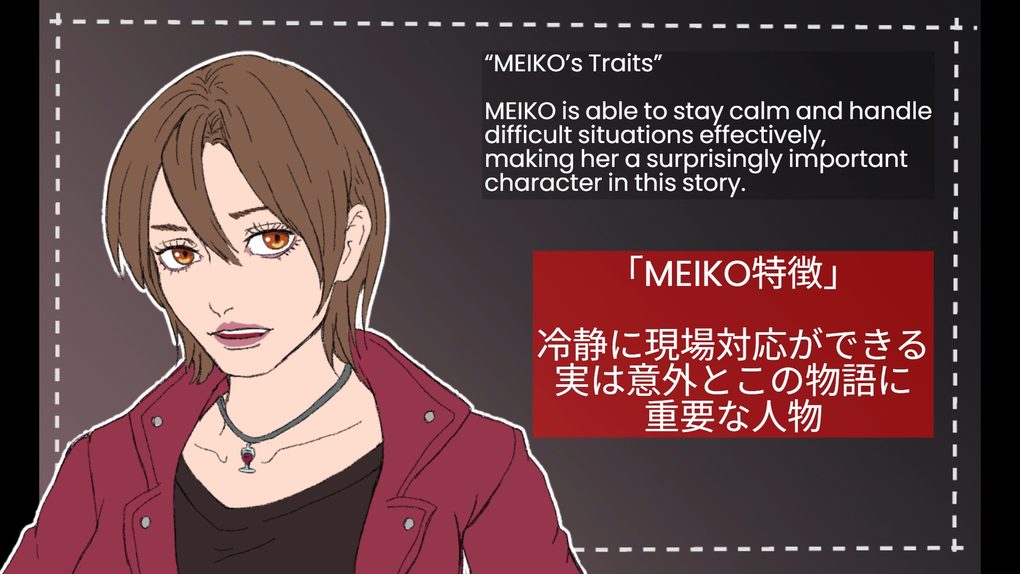
MEIKOは動画を投稿した時点では、まだ一度しか登場しておらず、分析できる情報が少なかったので、ここに新しい分析情報を追加しておきます。
At the time I uploaded the video, MEIKO had only appeared once in the series, so there wasn’t enough information available to analyze her character in depth.
Now that more information is available, I’ve decided to add some new insights into her character here.
彼女はKAITOがパニックを起こして、ルカと喧嘩していてもその騒動に巻き込まれずに冷静に対応することができます。
それから、3人の会話から現場で活用できる方法を推測し、的確な指示を出すのも得意です。
しかし自分がなんでもできるからと、必要以上に介入することはなく、必要なときに話を聞いたりアドバイスをするくらいなので、指示が得意でも威圧感はありません。
さらに彼女は、現実的で理性的な判断が下せるだけでなく、がくぽの茄子のチーズ焼きの提案に盛り上がったり、KAITOの独特な言語を活用するなど、社交的な一面も見せていました。
欠点はあまり見られない彼女ですが、相手に対する感情的な寄り添いは苦手な傾向があるので、KAITOの感受性の良さから学びつつ、3人との関わり方を探っていくのが良いのでしょう。
Even when KAITO panics and gets into an argument with Luka, MEIKO is able to remain calm and handle the situation without getting caught up in the commotion.
She is also skilled at drawing practical conclusions from the conversations between the other three characters and giving clear, appropriate instructions.
However, just because she is capable of handling many things herself doesn’t mean she interferes more than necessary. She generally only listens or offers advice when needed, so despite being good at giving instructions, she doesn’t come across as intimidating.
Furthermore, she has shown that she is not only capable of making practical and rational decisions, but also has a sociable side. For example, she enthusiastically joined in when Gackpo suggested making eggplant with cheese, and she even made use of KAITO’s unique way of expressing himself.
Although she has shown relatively few weaknesses so far, she does tend to struggle with providing emotional support and connecting with others on an emotional level.
It would therefore be beneficial for her to learn from KAITO’s emotional sensitivity while continuing to explore how best to interact with the other three characters.
動画内にある、「がくぽがKAITOと一緒にいると落ち着く理由」と「がくぽがルカに圧倒されてしまう理由」などについては、次で心理機能と一緒にもう少し詳しく掘り下げていきます。
As for the topics covered in the video—“Why Gackpo Feels More at Ease Around KAITO” and “Why Gakupo Tends to Feel Overwhelmed by Luka”—I’ll explore them in a little more detail in the following section, alongside an analysis of their cognitive functions.
上部へ戻る2.4人の心理機能とキャラ固有の特性/The Four Characters’ Cognitive Functions and Individual Traits
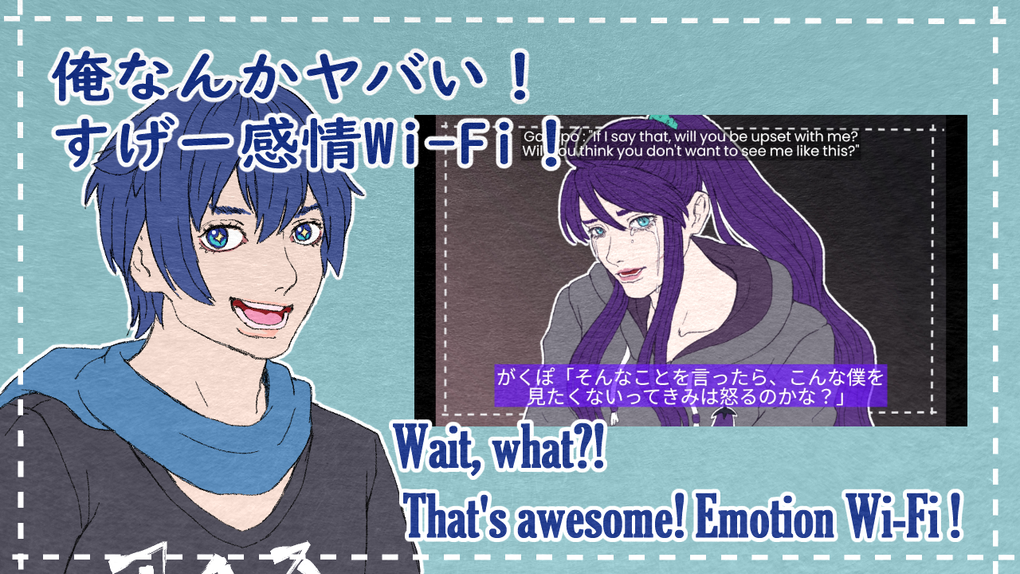
こちらでは、MBTIの心理機能をキャラ固有の特性も合わせながら紹介していきます。
特にがくぽのトラウマ反応や恐怖下でも消えない好奇心の高さ、KAITOの論理思考は苦手なのに感受性や学習速度の高い部分は、興味深い内容となりそうですね!
In this section, I’ll introduce the characters’ MBTI cognitive functions while also exploring their unique individual traits.
In particular, Gackpo’s trauma responses and his remarkable curiosity, which persists even when he is afraid, and KAITO’s high emotional sensitivity and ability to learn quickly despite struggling with logical reasoning, should make for some fascinating topics to explore!
がくぽのMBTIと特性/Gakupo’s MBTI Type and Unique Traits
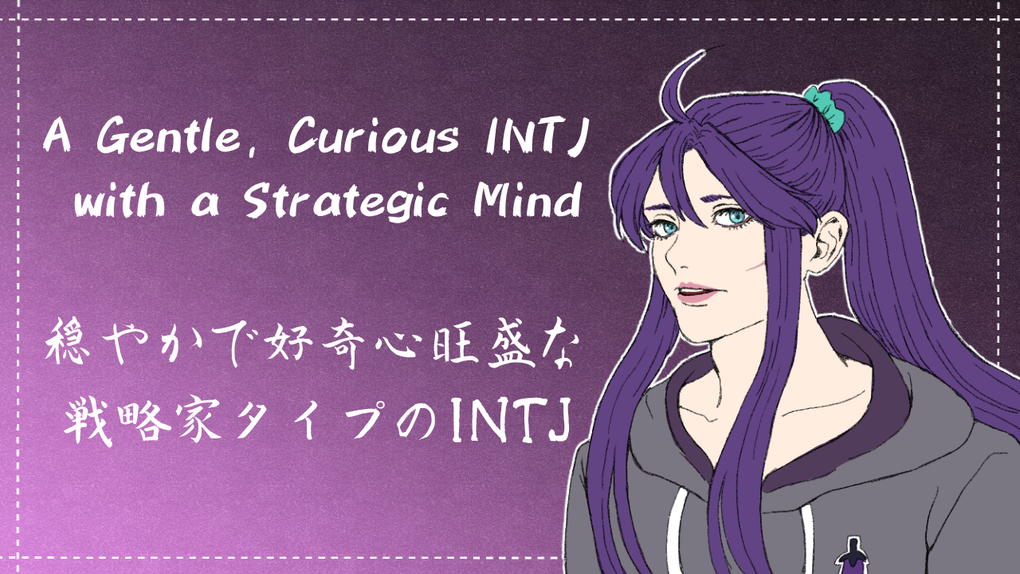
がくぽは、蓄積したトラウマや精神的疲労の影響で涙もろくなっていて、一見するとわかりにくいかもしれませんが、心理機能的にはINTJタイプに該当します。
また、がくぽはINTJタイプの中でも、比較的人が寄ってきやすいので対人慣れしており、気の利いた言葉かけをするのも得意です。
中でも彼の優しさに見える部分は、関係修復の成功率を上げるために用いられていたり、複数の境界侵害を受けた経験からの防衛反応が関係していることが多く、人に対する関心はそれほど高くありません。
なので【鳥籠のDoll】後日談4の方でも、ルカと対話し終えた後は、そこから切り替えてKAITOの独特な言語「ぽやぽや」の解析をして眠っていました。
しかし彼は自分の体調不良に気付いても、休息すべき事項だと判断できなかったり、精神的な不快感に対しても自分の身に危険が生じるレベルまで達さなければ認識しづらい部分があるので、無意識に疲労を蓄積してしまいやすいです。
Due to accumulated trauma and emotional exhaustion, Gackpo has become more prone to crying, which may make it difficult to recognize him as an INTJ at first glance. However, based on his cognitive functions, he fits the INTJ personality type.
Even among INTJs, Gackpo is relatively approachable, so he is accustomed to interacting with others and is skilled at choosing thoughtful words.
However, much of what appears to be kindness is actually a strategy he uses to increase the chances of successfully repairing relationships, or is influenced by defensive responses developed through repeated experiences of having his personal boundaries violated. His interest in other people is not particularly strong.
This is why, in Birdcage Doll – Afterstory 4, after finishing his conversation with Luka, he simply shifted his attention to analyzing KAITO’s peculiar expression, “poyapoya,” before falling asleep.
However, even when Gackpo notices that he is feeling physically unwell, he may fail to recognize it as a sign that he needs to rest. Similarly, he often struggles to recognize his own emotional discomfort unless it becomes severe enough to threaten his well-being. As a result, he tends to accumulate physical and emotional exhaustion without consciously realizing it.
がくぽは、主機能Ni(内向的直観)によって相手の意図や物事の本質を捉え、補助機能Te(外向的思考)によって目的に応じた行動や言葉を組み立てることが得意です。
そのため、恐怖やフラッシュバックによって涙が出ている状態でも、相手に伝わるように自分の経験を説明し、関係修復に向けた会話を続けることができていました。
会話例:
あ、あれはがくぽが寝ている間によく動いて、メイクしにくいからよ♡それにリボンなら可愛いでしょ?
あ、あの…ルカが楽しかったのはわかったけど、でも僕はそれで怖かったし、過去のトラウマもたくさん思い出して、それからどんどん気持ち悪くなって、なのに吐き出せる力は残ってなくて苦しかったよ。
一方で、第三機能Fi(内向的感情)に関連する自分自身の感情の把握は、彼の経験やトラウマ反応の影響もあって不得手な傾向があります。他者の意図は理解できても、自分が不快に感じているかどうかは、すぐに判断できません。
さらに、精神的な疲労が蓄積すると、目の前の楽しみに意識が集中し、身体の限界を考慮せずに行動を続けてしまいます。これは、ストレス下で劣等機能Se(外向的感覚)の影響が強まるという観点からも考察できるでしょう。
つまり、がくぽは他者との対話や問題解決に優れている一方で、自分自身の疲労や感情を把握し、適切なタイミングで休むことを苦手としている人物です。
会話例:
がくぽ?あなた顔色悪いんじゃない?ちょっと、大丈夫なの?
うん。動けるよ?
Gackpo is skilled at understanding other people’s intentions and grasping the underlying nature of things through his dominant function, Ni (Introverted Intuition). He also uses his auxiliary function, Te (Extraverted Thinking), to organize his actions and words according to his goals.
As a result, even when he is crying due to fear or flashbacks, he can still explain his experiences in a way that others can understand and continue conversations aimed at repairing relationships.
Example conversation:
Oh, that! You move around a lot in your sleep, so it was hard to do your makeup♡ Besides, ribbons are cute, aren’t they?
U-Um… I understand that you were having fun, Luka, but… I was scared. And it brought back a lot of my past trauma. I started feeling worse and worse, but by then I didn’t even have the energy left to let any of it out. It was really painful.
On the other hand, he tends to struggle with recognizing his own emotions, an ability associated with his tertiary function, Fi (Introverted Feeling). His past experiences and trauma responses also contribute to this difficulty. Even when he understands another person’s intentions, he may not immediately recognize whether he himself feels uncomfortable.
Furthermore, when his mental exhaustion builds up, he becomes increasingly focused on whatever he finds enjoyable in the moment and may continue his activities without considering his physical limits. This behavior can also be examined from the perspective of his inferior function, Se (Extraverted Sensing), becoming more prominent under stress.
In other words, while Gackpo excels at communicating with others and solving problems, he struggles to recognize his own emotional and physical exhaustion and to know when he needs to rest.
Example conversation:
Gackpo? You look a little pale. Are you okay?
Yeah. I can still move around.
ルカのMBTIと特性/Luka’s MBTI Type and Unique Traits
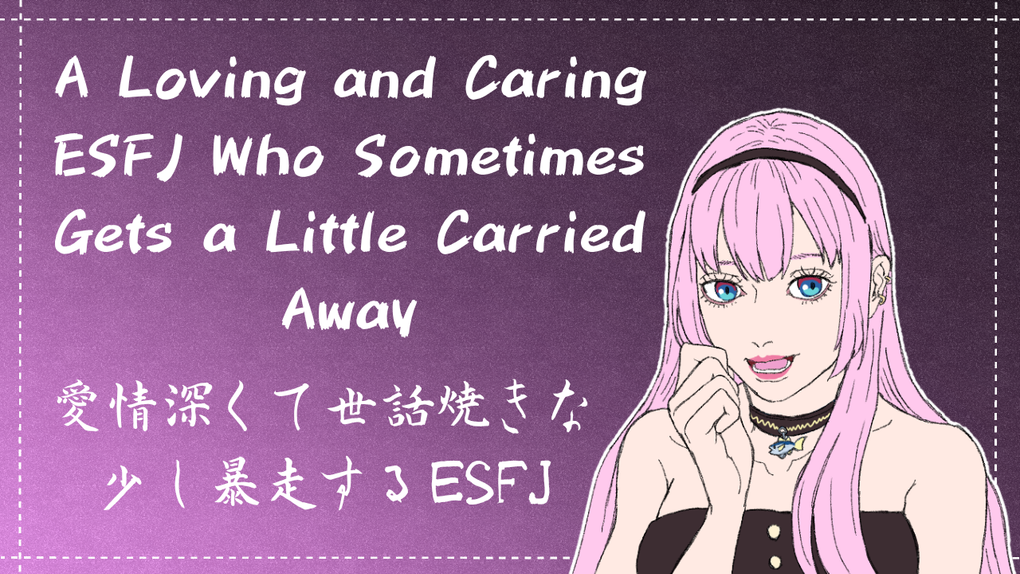
ルカは愛情深くて世話好きなESFJですが、その中でも彼女は自分の感情や主張が前に出やすく、相手の感情を見落としやすい傾向にあります。
がくぽの体調の変化には敏感に気付き、それを察すれば「恋愛モード」からすぐに「献身モード」に切り替えられますが、相手の心の状態を見落としやすく【鳥籠のDoll】後日談4のほうでも、熱を出しているがくぽに、自分の不安を押し付けてしまっていました。
自分の体調の変化に鈍感ながくぽの弱点をカバーできるというメリットはあるものの、精神的な負担をかけてしまいやすいです。
Luka is a loving and caring ESFJ, but she has a particularly strong tendency to prioritize her own feelings and opinions, sometimes overlooking the emotions of others.
She is highly sensitive to changes in Gackpo’s physical condition. As soon as she notices that something is wrong, she can quickly switch from “romance mode” to “devoted caregiver mode.”
However, she tends to overlook his emotional state. In Birdcage Doll – Afterstory 4, she ended up burdening Gackpo with her own anxieties even though he was still suffering from a fever.
While Luka has the advantage of being able to compensate for Gackpo’s difficulty in recognizing changes in his own physical condition, she also tends to place a considerable emotional burden on him.
ルカは、主機能Fe(外向的感情)によって人との関係を大切にし、愛情や気遣いを積極的に表現することが得意です。
また、補助機能Si(内向的感覚)によって、これまでの経験や馴染みのある価値観を判断の基準にする傾向があります。
しかし彼女の場合、「恋人同士なら喜ぶはず」「男性なら嫌がらないはず」といった思い込みを、がくぽ個人の意思より優先してしまうことがありました。
第三機能Ne(外向的直観)に関連する、別の可能性を考える視点や、劣等機能Ti(内向的思考)に関連する、自分の判断の前提を検証する視点が十分に働かなかった結果、自分の愛情表現が相手の負担になる可能性を見落としていたと考えられます。
一方で、KAITOから指摘を受けた際には、自分の不安をがくぽに押し付けていたことを認めており、新しい視点を受け入れて考えを修正する力も持っています。
今後は、愛情を表現する前に相手の意思を確認し、自分の感情と相手の感情を区別して考えることが、彼女にとって重要な課題になるでしょう。
会話例:
ルカだって、がくぽが熱あるときに難しい話してたじゃーん?ルカも変だ!
あぁ、そうね。私ってばあのとき、自分の不安をがくぽに押し付けてたんだわ。KAITOに言われて気付いたのよ。
Luka is skilled at valuing her relationships with others and actively expressing love and care through her dominant function, Fe (Extraverted Feeling).
Her auxiliary function, Si (Introverted Sensing), also gives her a tendency to rely on past experiences and familiar values when making judgments.
However, in Luka’s case, she sometimes prioritizes assumptions such as “Couples are supposed to enjoy these things” or “Men wouldn’t dislike this kind of attention” over Gakupo’s individual wishes.
Her tertiary function, Ne (Extraverted Intuition), which is associated with considering alternative possibilities, and her inferior function, Ti (Introverted Thinking), which is associated with examining the assumptions behind her judgments, may not have been sufficiently engaged. As a result, she failed to consider the possibility that her expressions of love could place a burden on Gackpo.
On the other hand, when KAITO pointed out her behavior, she acknowledged that she had been placing her own anxieties on Gackpo. This shows that she is also capable of accepting new perspectives and adjusting her way of thinking.
Moving forward, an important challenge for her will be learning to check the other person’s wishes before expressing her affection and to distinguish her own feelings from those of others.
Example conversation:
But Luka, you were trying to have that complicated conversation with Gackpo when he still had a fever, weren’t you? You’re weird too!
Ah… You’re right. Back then, I was pushing my own anxieties onto Gackpo. It took you pointing it out for me to realize that.
KAITOのMBTIと特性/KAITO’s MBTI Type and Unique Traits
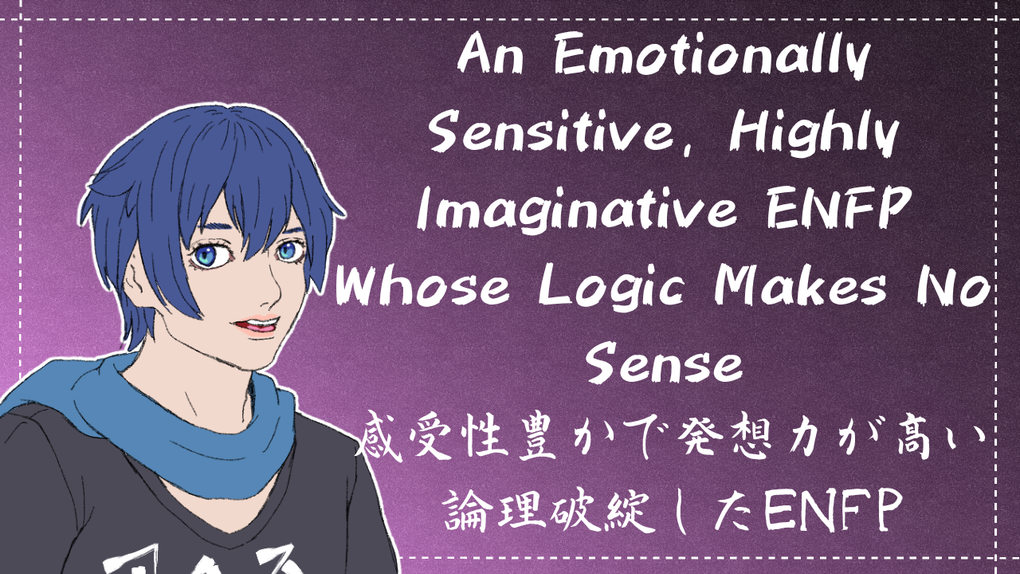
KAITOは感受性豊かで共感能力が高く、発想力に優れたENFPです。
作中では、【鳥籠のDoll】後日談4で登場した、がくぽの疲弊して挙動が幼くなった状態を「ぽやぽや」と呼んだり、同シリーズの後日談5でも、がくぽから感受性の高さを指摘されたときに「感情Wi-Fi」と表現したり、独特な言語を生み出していました。
しかし彼には特有の弱点があり、それは論理思考が苦手で自分の言葉をうまく組み立てられなかったり、何が相手を傷付ける発言になるのか想像できずに、失言を繰り返してしまいます。
記憶力そのものは高いので、一度失敗したことは二度と繰り返さずにいられますが、未知の失敗には弱く常にどこかでやらかしてしまいます。
後日談1では、がくぽへの謝罪の為に茄子を一箱も持ってきたり、後日談3では、がくぽを励ますために茄子消費パーティーをしたのだと言い忘れたり、ハチャメチャな行動をしていましたね。
KAITO is an ENFP who is highly sensitive, deeply empathetic, and exceptionally imaginative.
Throughout the story, he has demonstrated his unique way of expressing himself by inventing unusual terms. In Birdcage Doll – Afterstory 4, he coined the word “poyapoya” to describe Gackpo’s exhausted, increasingly childlike behavior. Later, in Afterstory 5 of the same series, when Gackpo pointed out how sensitive he was to other people’s emotions, KAITO described his ability as “Emotional Wi-Fi.”
However, KAITO has a particular weakness: he struggles with logical thinking and has difficulty organizing his thoughts into words. He also has trouble anticipating which of his remarks might hurt someone, causing him to repeatedly make thoughtless comments.
Despite this, KAITO actually has an excellent memory. Once he makes a mistake, he remembers it and can avoid repeating it. However, he struggles with situations he has never encountered before, so he always seems to find some new way to mess things up.
In Afterstory 1, he brought an entire box of eggplants as an apology to Gackpo. Then, in Afterstory 3, he organized an eggplant-themed party to cheer Gackpo up—but completely forgot to tell him that was the reason for the party!
As you can see, KAITO has a habit of doing some pretty outrageous things.
KAITOは、主機能Ne(外向的直観)によって自由な発想や連想を広げることが得意です。
「ぽやぽや」や「感情Wi-Fi」といった独特な造語にも、この特徴が表れていました。
補助機能Fi(内向的感情)によって自分の感情や価値観を大切にし、他者にも独立した意思があることを自然に受け入れています。そのため、がくぽの感情の変化に敏感でありながら、自分の考えを押し付けずに接することができます。
会話例:
そんなのがくぽに聞くまでわからないじゃん?じゃあ、俺がくぽのところ行ってくる!
ちょっと!またがくぽの体調が悪化したらどうすんのよ?本当にやめて!
一方で、第三機能Te(外向的思考)に関連する考えの整理や論理的な説明には未熟な部分があります。行動力は高く、失敗を指摘されればすぐに修正できますが、発言の影響を予測できず、思わぬ失言をしてしまいます。
また、劣等機能Si(内向的感覚)については、過去の経験を参考にする働きとして考察できます。KAITOは記憶力そのものは高く、一度経験した失敗をよく覚えていますが、未知の状況では適切な判断ができず、新たな失敗を繰り返す傾向があります。
つまり、KAITOは豊かな感受性と発想力を持ち、他者の意思を尊重できる一方で、論理的な予測や説明が苦手な人物です。しかし、自分の失敗を素直に認め、すぐに行動を改められることが、彼の大きな長所となっていますね。
会話例:
聞いたんだけどさ、お前がそんなに追い詰められているとは知らなくて、贅沢な悩みとか言っちゃった。ごめんなーがくぽ?
大丈夫だよ。KAITOが励まそうとしてくれたのは、伝わっているからね!
KAITO’s dominant function, Ne (Extraverted Intuition), allows him to freely explore ideas and make creative connections. This trait is reflected in his unique expressions, such as “poyapoya” and “Emotional Wi-Fi.”
Through his auxiliary function, Fi (Introverted Feeling), he values his own emotions and personal beliefs while naturally recognizing that others have independent feelings and desires. As a result, he is highly sensitive to changes in Gackpo’s emotional state without imposing his own expectations on him.
Example conversation:
We won’t know if Gackpo feels the same until we ask him, right? I’m gonna go see him!
Wait! What if you make him feel worse again? Seriously, don’t!
On the other hand, his tertiary function, Te (Extraverted Thinking), is relatively underdeveloped when it comes to organizing his thoughts and explaining things logically. Although he is quick to take action and readily corrects his mistakes when they are pointed out, he often fails to anticipate how his words might affect others, leading to unintentional hurtful remarks.
His inferior function, Si (Introverted Sensing), can also be examined in relation to how he draws on past experiences. KAITO actually has an excellent memory and remembers his previous mistakes well. However, he struggles to make appropriate judgments in unfamiliar situations, which often leads him to make entirely new mistakes.
In short, KAITO is a highly sensitive and imaginative individual who respects other people’s autonomy but struggles with logical reasoning and anticipating the consequences of his words. Nevertheless, his willingness to acknowledge his mistakes and quickly change his behavior is one of his greatest strengths.
Example conversation:
I heard about what happened. I didn’t realize you were feeling so overwhelmed, and I went and called it a ‘first-world problem.
I’m sorry, Gackpo!
It’s okay. I know you were just trying to cheer me up, KAITO!
MEIKOのMBTIと特性/MEIKO’s MBTI Type and Unique Traits
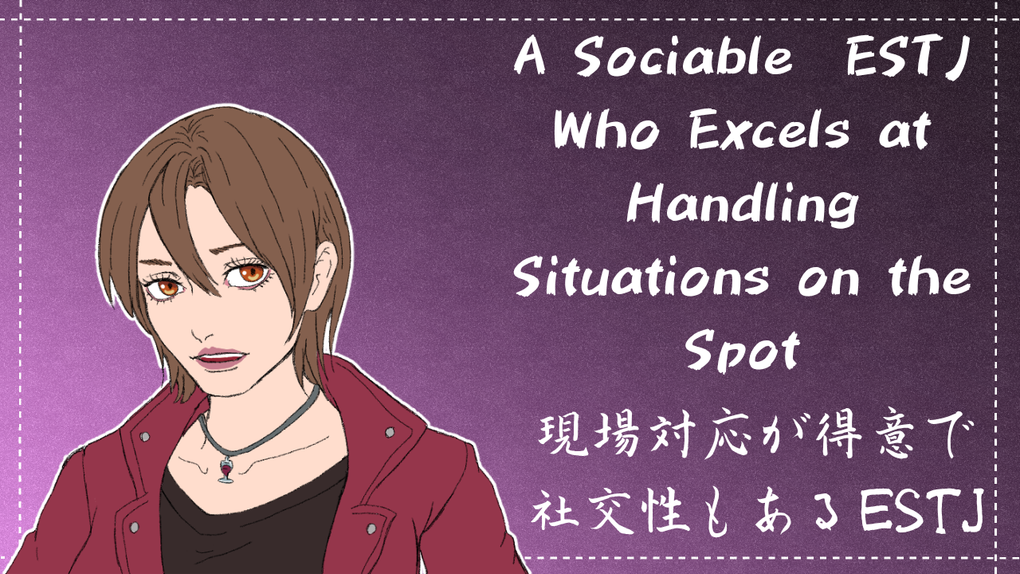
MEIKOは現場対応が得意で、ノリの良い社交性の良さも兼ね備えたESTJです。
【鳥籠のDoll】後日談3では、茄子のチーズ焼きとワインに盛り上がったり、【愛しのDoll】開幕編ではがくぽとKAITOの話を聞いて、現実的な対応策を提示するなど、さまざまな一面を見せていました。
しかし彼女は感情的な寄り添いは苦手で、【鳥籠のDoll】後日談5では、ルカががくぽがKAITOと遊園地にいって寂しくて押し掛けてきたときに「わかったから、うるせぇ!」などの発言をしたり、対応に困っている場面もあります。
MEIKO is an ESTJ who excels at handling situations on the spot while also having a fun-loving, sociable personality.
In Birdcage Doll – Afterstory 3, she enthusiastically enjoyed cheesy baked eggplant and wine. Later, in the opening chapter of Beloved Doll, she listened to Gackpo and KAITO and suggested practical ways to handle their situation, showing different sides of her personality.
However, MEIKO struggles with providing emotional support. In Birdcage Doll – Afterstory 5, when Luka showed up because she felt lonely about Gackpo going to an amusement park with KAITO, MEIKO had trouble dealing with her emotions and ended up snapping, “I get it already! Shut up!”
MEIKOは、主機能Te(外向的思考)によって状況を素早く整理し、必要な行動を判断することが得意です。作中でも、問題が起きたときには現実的な解決策を考え、周囲に的確な助言や指示を与えています。
補助機能Si(内向的感覚)によって、これまでの経験や観察した事実を判断に生かす傾向があります。そのため、他の三人の言動を冷静に捉え、状況に応じた対応を取ることができます。
会話例:
だとよKAITO。ルカのしたことは、確かに許されることではないけど本人がわかってることなら、あんたが言う必要ないよ?
わかった!でもまだ俺ルカへの怒りおさまってないから!
また、第三機能Ne(外向的直観)によって、必要に応じて柔軟な発想を取り入れることもできます。普段は現実的な判断を重視していますが、KAITOの独特な表現や周囲の楽しみにも自然に付き合える社交性があります。
一方で、劣等機能Fi(内向的感情)に関連する、個人の繊細な感情への寄り添いには不得手な部分があります。相手の問題を理解して具体的な助言を与えることは得意でも、感情的な安心感を与えることが必ずしも得意とは限りません。
つまり、MEIKOは冷静な判断力と行動力を持ち、周囲の問題を現実的に解決できる一方で、感情面での細やかな寄り添いには課題がある人物です。しかし、相手を必要以上に支配せず、それぞれの意思を尊重しながら支援できることが、彼女の大きな長所となっています。
会話例:
バカイトに説明するために頭つかわなくていいから。またぽやるぞ?
ぽやるとか、ぽやぽやってなに?
MEIKO’s dominant function, Te (Extraverted Thinking), allows her to quickly assess situations and determine what actions are needed. Throughout the story, she comes up with practical solutions and provides clear advice and guidance whenever problems arise.
Through her auxiliary function, Si (Introverted Sensing), she tends to draw on past experiences and observed facts when making decisions. This allows her to calmly assess the behavior of the other three characters and respond appropriately to different situations.
Example conversation:
There you go, KAITO. What Luka did was definitely wrong. But if she knows that and regrets it, you don’t need to keep bringing it up.
Okay! But I’m still mad at Luka!
Her tertiary function, Ne (Extraverted Intuition), also allows her to incorporate flexible thinking when needed. Although she generally prioritizes practical judgment, she is sociable enough to naturally go along with KAITO’s unusual expressions and join in the fun with those around her.
On the other hand, her inferior function, Fi (Introverted Feeling), can be associated with her difficulty providing emotional support on a more personal level. While she excels at understanding problems and offering concrete advice, she is not always as comfortable providing emotional reassurance.
In short, MEIKO is a calm, decisive, and practical individual who excels at solving problems but sometimes struggles with offering sensitive emotional support. Nevertheless, her ability to respect others’ autonomy and provide help without unnecessarily controlling them is one of her greatest strengths.
Example conversation:
Don’t waste your brainpower trying to explain things to BAKAITO. You’ll start poya-ing again.
What does “poya-ing” even mean? And what’s “poya-poya”?
3.心理機能と特性から見た関係性/Relationships from the perspective of psychological functions and traits
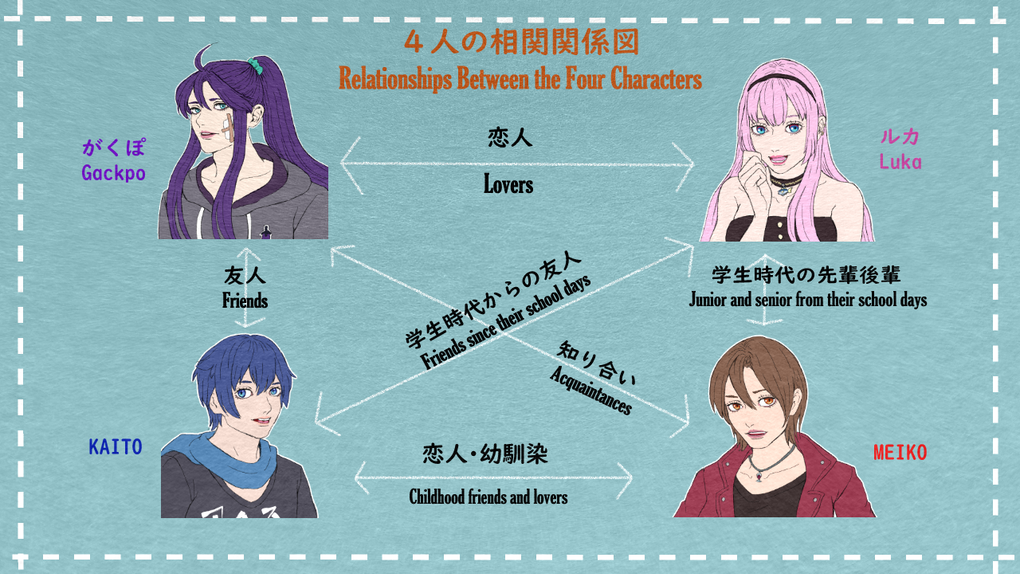
がくぽがKAITOといると落ち着きやすい理由/Why Gackpo Feels More at Ease with KAITO
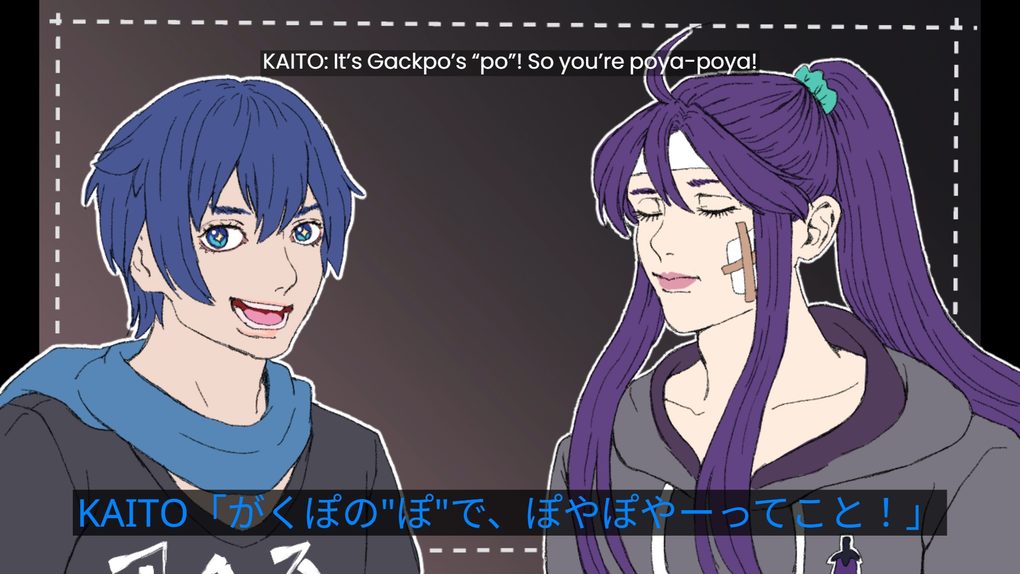
KAITO:ENFP(Ne–Fi–Te–Si)
がくぽとKAITOは、興味深いことに、二人ともTe(外向的思考)とFi(内向的感情)を持っています。しかし、その優先順位や使い方は異なります。
がくぽは、主機能のNi(内向的直観)で物事の背景や意味を捉え、補助機能のTeで状況を整理し、筋道立てて考えることを得意としています。
一方、KAITOは主機能のNe(外向的直観)によって次々と発想を広げ、補助機能のFiによって自分や相手の気持ちを大切にしながら行動します。
KAITOは論理的に考えを整理することが苦手なため、ときに滅茶苦茶な発言や行動を取ります。しかし、相手の気持ちを先回りして決めつけることは少なく、本人の反応を見ながら行動を修正しようとします。
そのため、結果的にがくぽの意思や境界線を尊重しやすい関わり方になっているのです。
反対に、自分の考えをうまく言葉にできず、誤解されやすいKAITOにとっても、がくぽは安心できる相手です。
がくぽは、KAITOの発言を言葉どおりに受け取るだけでなく、会話の文脈や状況から、その意図を読み取ることができます。
つまり、KAITOはがくぽの気持ちを勝手に決めつけず、がくぽはKAITOの言葉を表面的に判断しないのです。
二人はそれぞれ異なる苦手さを持っていますが、その違いが互いの負担を軽減する方向に働いています。
そのため、がくぽにとってKAITOは自分の意思を尊重してくれる相手であり、KAITOにとってがくぽは自分の意図を理解してくれる相手なのでしょう。
Interestingly, both Gackpo and KAITO use Te (Extraverted Thinking) and Fi (Introverted Feeling). However, they differ in how they prioritize and use these cognitive functions.
Gackpo excels at using his dominant Ni (Introverted Intuition) to understand the underlying meanings and contexts of situations, while his auxiliary Te helps him organize information and think logically.
KAITO, on the other hand, uses his dominant Ne (Extraverted Intuition) to explore ideas and possibilities, while his auxiliary Fi guides him to value his own feelings and those of others.
Because KAITO struggles to organize his thoughts logically, he sometimes says or does things that seem completely absurd. However, he rarely assumes that he already knows how someone else feels. Instead, he tries to adjust his behavior based on their reactions.
As a result, his approach naturally tends to respect Gackpo’s personal boundaries and autonomy.
Conversely, Gackpo is also someone KAITO can feel comfortable around, as KAITO often struggles to express his thoughts clearly and is easily misunderstood.
Rather than interpreting KAITO’s words only at face value, Gackpo can understand his intentions by considering the context of their conversations and the surrounding circumstances.
In other words, KAITO doesn’t jump to conclusions about Gackpo’s feelings, while Gackpo doesn’t jump to conclusions about what KAITO means.
Although they have different weaknesses, these differences work in ways that help reduce the difficulties each of them experiences in communication.
For Gackpo, KAITO is someone who respects his autonomy. For KAITO, Gackpo is someone who understands what he is trying to express.
This mutual understanding may be one of the reasons they both feel comfortable and at ease in each other’s company.
上部へ戻るがくぽがルカに圧倒されやすい理由/Why Gackpo Is Easily Overwhelmed by Luka
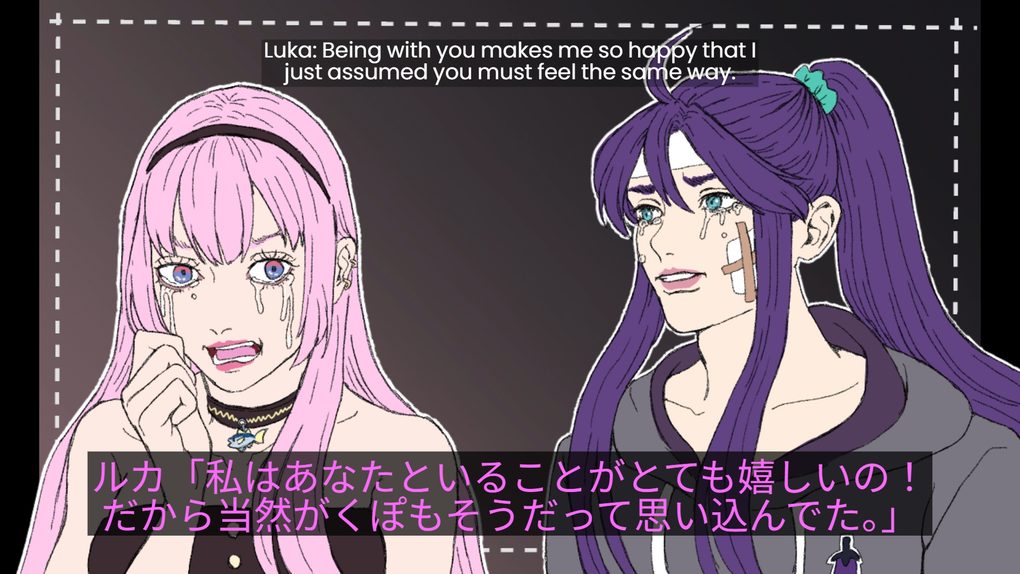
ルカ[Luka]:ESFJ(Fe–Si–Ne–Ti)
がくぽとルカは、心理機能の優先順位だけでなく、感情の扱い方にも大きな違いがあります。
ルカは主機能のFe(外向的感情)によって、自分の感情を対人関係の中で表現し、相手との繋がりを確かめようとする傾向があります。
一方、がくぽは第三機能にFi(内向的感情)を持っており、自分の感情を内側で整理してから言葉にしようとします。
そのため、ルカが次々と自分の気持ちを言葉にすると、がくぽは自分がどう感じているのかを考える時間が足りず、会話についていけなくなることがあります。
さらに、ルカは自分の愛情や不安を強く表現するあまり、がくぽの返答を十分に待たずに話を進めてしまうことがあります。
がくぽは相手の意図や感情を理解することが得意ですが、相手の気持ちを理解できることと、自分の気持ちをすぐに表現できることは別です。
その結果、がくぽはルカの気持ちを理解し、応えようとする一方で、自分自身の違和感や拒否感を十分に伝えられないまま、相手のペースに巻き込まれてしまうことがあります。
また、過去にルカから境界線を侵害された経験も、がくぽが自分の意思を伝えることを難しくしていると考えられます。
つまり、ルカは自分の感情を伝えることが早く、がくぽは自分の感情を確かめることに時間が必要なのです。
この違いに加えて、ルカが返答を待たずに行動してしまうことで、がくぽは圧倒されやすくなっているのでしょう。
Gackpo and Luka differ significantly not only in the order of their cognitive functions but also in how they process and express their emotions.
Luka primarily uses Fe (Extraverted Feeling), which leads her to express her emotions through interpersonal relationships and seek reassurance about her connections with others.
Gackpo, on the other hand, has Fi (Introverted Feeling) as his tertiary function and tends to process his emotions internally before putting them into words.
As a result, when Luka expresses her feelings one after another, Gackpo may struggle to keep up with the conversation because he hasn’t had enough time to understand how he feels.
Furthermore, Luka sometimes becomes so focused on expressing her love or anxiety that she continues speaking or moves forward without giving Gackpo enough time to respond.
Although Gackpo is skilled at understanding other people’s intentions and emotions, understanding someone else’s feelings is not the same as being able to immediately express his own.
Consequently, while Gackpo tries to understand Luka’s feelings and respond to her needs, he may find himself caught up in her pace before he can adequately communicate his own discomfort or unwillingness.
His past experiences of having his personal boundaries violated by Luka may also make it more difficult for him to express his own wishes.
In other words, Luka is quick to express her emotions, while Gackpo needs more time to recognize and process his own.
Combined with Luka’s tendency to act before waiting for his response, this difference may explain why Gackpo is easily overwhelmed by her.
上部へ戻るルカとKAITOが喧嘩しやすい理由/Why Luka and KAITO Tend to Clash
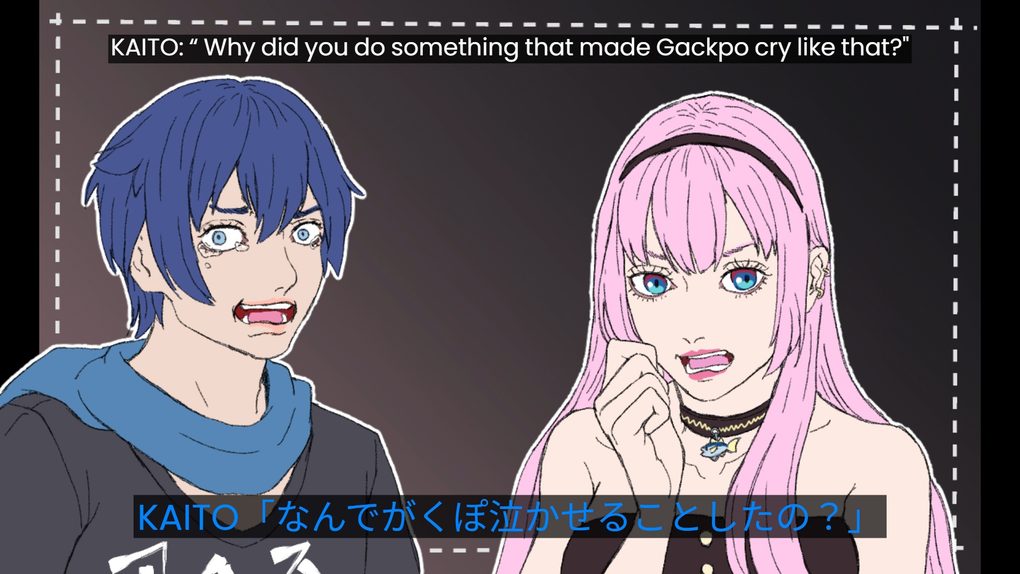
KAITO:ENFP(Ne–Fi–Te–Si)
ルカとKAITOは、どちらも人との関わりを大切にする感情豊かな人物ですが、感情を判断する際に使う心理機能が異なります。
ルカは主機能にFe(外向的感情)を持ち、人間関係の調和や、相手との繋がりを重視する傾向があります。
一方、KAITOは補助機能にFi(内向的感情)を持ち、個人の気持ちや価値観を尊重することを重視します。
そのため、ルカは「自分ががくぽをどれほど愛しているか」「二人の関係をどう維持するか」に意識が向きやすい一方、KAITOは「がくぽ本人がどう感じているか」「がくぽが何を望んでいるか」に注目しやすいのです。
例えば、ルカが自分の寂しさや不安をがくぽに訴えたとき、KAITOはその気持ちを理解しつつも、がくぽが負担を感じていることを優先して指摘する場合があります。
しかし、ルカは自分の愛情や不安を否定されたように感じ、KAITOの言葉に反発してしまうことがあります。
さらに、ルカの補助機能であるSi(内向的感覚)は、これまでの経験や慣れ親しんだ関係を重視する一方、KAITOの主機能であるNe(外向的直観)は、新しい可能性や別の関わり方を模索する傾向があります。
この違いも、二人が問題への対処方法を巡って衝突する一因になっていると考えられます。
ただし、Feを持つ人が必ず自分の感情を優先するわけでも、Fiを持つ人が必ず他者の境界線を尊重できるわけでもありません。二人の衝突には、それぞれの経験や具体的な行動も関係しています。
つまり、ルカとKAITOはどちらもがくぽを大切に思っていますが、何を優先して彼を大切にしようとするのかが異なるため、意見が対立しやすいのでしょう。
Both Luka and KAITO are emotionally expressive individuals who value their relationships with others. However, they use different cognitive functions when making judgments based on emotions.
Luka’s dominant function is Fe (Extraverted Feeling), which leads her to prioritize harmony in relationships and maintaining connections with others.
KAITO, on the other hand, uses Fi (Introverted Feeling) as his auxiliary function, which emphasizes respecting individual feelings and personal values.
As a result, Luka tends to focus on how deeply she loves Gackpo and how she can maintain their relationship, while KAITO is more likely to focus on how Gackpo himself feels and what he actually wants.
For example, when Luka expresses her loneliness or anxiety to Gackpo, KAITO may acknowledge her feelings but still point out that she is placing an emotional burden on Gackpo.
However, Luka may interpret KAITO’s words as a rejection of her love or feelings, causing her to react defensively.
Furthermore, Luka’s auxiliary function, Si (Introverted Sensing), tends to value past experiences and familiar relationships, while KAITO’s dominant function, Ne (Extraverted Intuition), encourages him to explore new possibilities and alternative ways of interacting with others.
This difference may also contribute to their disagreements over how to handle problems.
However, having Fe does not necessarily mean that someone prioritizes their own emotions over others, just as having Fi does not automatically mean that someone respects other people’s personal boundaries. Their conflicts are also influenced by their individual experiences and specific behaviors.
In other words, although both Luka and KAITO genuinely care about Gackpo, they tend to clash because they have different priorities when deciding how best to care for him.
※「VOCALOID(ボーカロイド)」および「ボカロ」はヤマハ株式会社の登録商標です。 「がくっぽいど」は株式会社インターネットの登録商標です。
この作品は https://piapro.jp/license/pcl/summary ピアプロ・キャラクター・ライセンスに基づいてクリプトン・フューチャー・メディア株式会社のキャラクター「巡音ルカ、KAITO、MEIKO 」を描いたものです。
上部へ戻る